
Silencing a relentless enemy: RBM celebrates Timor-Leste’s malaria-free certification
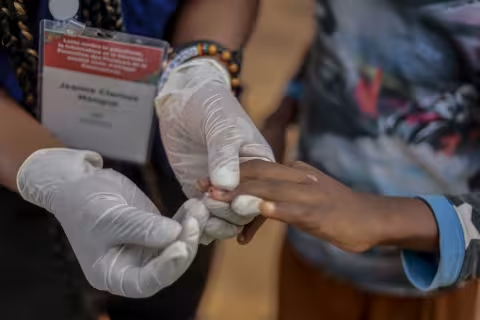
GENEVA, July 25 - Eliminating malaria was a priority for the Southeast Asian country, Timor-Leste right from 2002 when the country got independence and set up a National Malaria Council within a year. The country went from being a high burden malaria country registering over 220,000 cases in 2006 to having zero malaria cases in 2022. Timor-Leste has not had malaria-related deaths since 2015. Yesterday, the World Health Organization certified Timor-Leste malaria-free, making it the third country in Southeast Asia to receive the certification after Sri Lanka (which was certified malaria-free in 2016) and Maldives (which was certified malaria-free) in 2015.
With 263 million cases and nearly 600,000 deaths registered every year, malaria remains a major global health challenge that not only affects lives but also slows development, straining country budgets and health systems. While over 90 percent of malaria deaths are on the African continent, the disease also occurs in other parts of the world, particularly the WHO Southeast Asia region, the Americas and the western Pacific – leaving a trail of death and devastation on families and the most vulnerable communities.
While welcoming the WHO malaria-free certification, Dr Élia António de Araújo dos Reis Amaral, the Timor-Leste Minister of Health described malaria as a “most relentless enemy” whose silence, persistence and deadliness was crashed by a concerted partnership that comprised WHO, dedicated health workers, government and community leaders.
Through a National Malaria Programme dedicated to planning, implementing and monitoring malaria control innovations and a health system that expanded free service through mobile clinics to rural communities, Timor-Leste improved Universal Health care and inched closer to eliminating malaria. The country also invested in early diagnosis and treatment using artemisinin-based combinations. The Global Fund to fight AIDS, Tuberculosis and Malaria fortified national efforts by intensifying Vector Control interventions such as Indoor Residual Spraying and distribution of Insecticide Treated Mosquito Nets.
Timor-Leste’s certification as malaria-free has once again demonstrated the power of partnerships in eliminating malaria – even at a complex moment when resources for malaria and other health interventions are shrinking while challenges such as anti-malarial drug and insecticide resistance, humanitarian crises and unpredictable weather patterns are rising and making the malaria response more complex. A country is certified malaria-free when there are no indigenous malaria transmissions for three consecutive years.
The RBM Partnership to End malaria, which brings together over 500 partners globally, to push for more resources, stronger policies and more effective tools to eliminate malaria, celebrates Timor-Leste’s triumph against the deadly disease, congratulates all partners that worked hard to achieve this milestone and calls for more intensified global efforts to support countries to reach zero malaria.
“It is a difficult time in the fight against malaria as the funding landscape becomes more complex and malaria struggles to find resources. Yet, with the announcement that Timor-Leste is malaria-free, we celebrate this triumph and feel buoyed up to continue to push to the finish line until everyone everywhere is malaria-free,” RBM CEO, Dr Michael Adekunle Charles said.
He added that,
“In less than two years, we have had four countries, Cabo Verde, Egypt, Suriname and Timor-Leste certified malaria-free. We have more tools in the pipeline – new medicines and new technologies – and we have more access to knowledge and the opportunity to exchange this knowledge than ever before. The tide is in the right direction and countries are committed to ending malaria. What we need is one last unified Big Push to strengthen existing efforts and get us to the finish line.”
The Big Push against Malaria, championed by RBM, is a five-year action plan that focuses on six game changing actions: Stronger leadership, smarter spending, faster innovation, equitable access, deeper partnerships and sustainable financing as key to bringing us closer to eliminating malaria. Through regional malaria alliances, including the Asia Pacific Leaders Malaria Alliance, RBM commits to continuing to convene partners to safeguard progress in the fight against malaria, share valuable knowledge to strengthen surveillance and optimize resource allocation.
Latest Updates
Call for Nominations – SMEWG Co-Chair