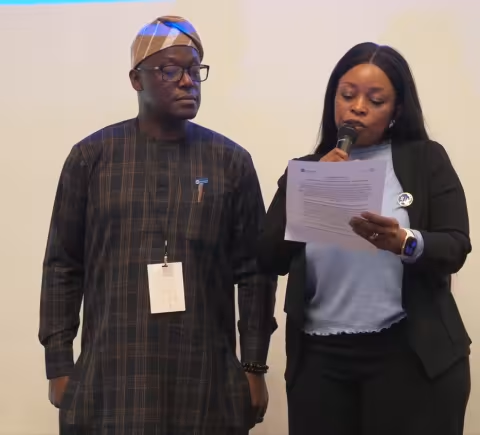
Partnering for Progress: Reporting Back from the RBM Partnership Community at WHA79
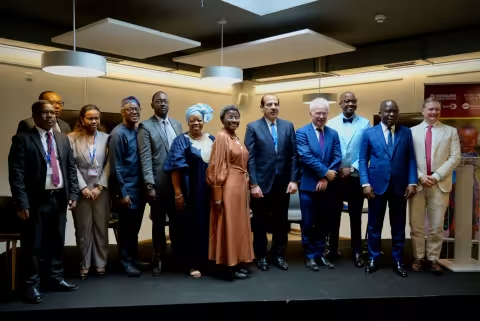
At the 79th World Health Assembly, the RBM Partnership to End Malaria (RBM) joined countries, partners and global health leaders in Geneva to help keep malaria high on the global health agenda and advance a shared commitment to ending the disease.
Across the week, the RBM community came together around a practical and urgent agenda: protecting hard-won progress, sustaining financing, accelerating access to innovation, strengthening country-led health systems, and ensuring that malaria services are integrated into primary healthcare and broader development priorities.
RBM is, first and foremost, a partnership. Our presence at WHA79 reflected the strength and diversity of our members - malaria-affected countries, civil society, communities, regional bodies, technical agencies, the private sector, academia, innovators, funders and advocates - all working together toward a malaria-free world.
For the RBM Secretariat and the CEO, WHA79 was also an important moment for listening, connecting and aligning. Dr. Michael Adekunle Charles, RBM CEO, and members of the RBM team engaged throughout the week with Ministers of Health, Ministers of Finance, heads of partner organizations, health economists, technical leaders, advocates and colleagues across the global health community.
These exchanges reinforced a shared understanding: malaria elimination is not only a health goal, but a foundation for stronger economies, more resilient health systems and healthier communities
A week of partnership in action
RBM’s WHA79 engagement built on the priorities set out ahead of the Assembly: fostering synergy across the partnership, elevating local and regional voices, and integrating malaria efforts for broader health impact.
Throughout the week, partner-led events created space for dialogue, alignment and practical planning. Discussions focused on how to respond to antimalarial drug resistance, expand access to new tools, support “Made in Africa” solutions, strengthen regional supply chains and local manufacturing, and leverage malaria interventions to improve maternal and child health.
The message across events was clear: the tools and knowledge to accelerate progress exist, but success will depend on sustained political will, predictable financing, country leadership and coordinated action across the full partnership.
Delivering Africa’s malaria agenda together
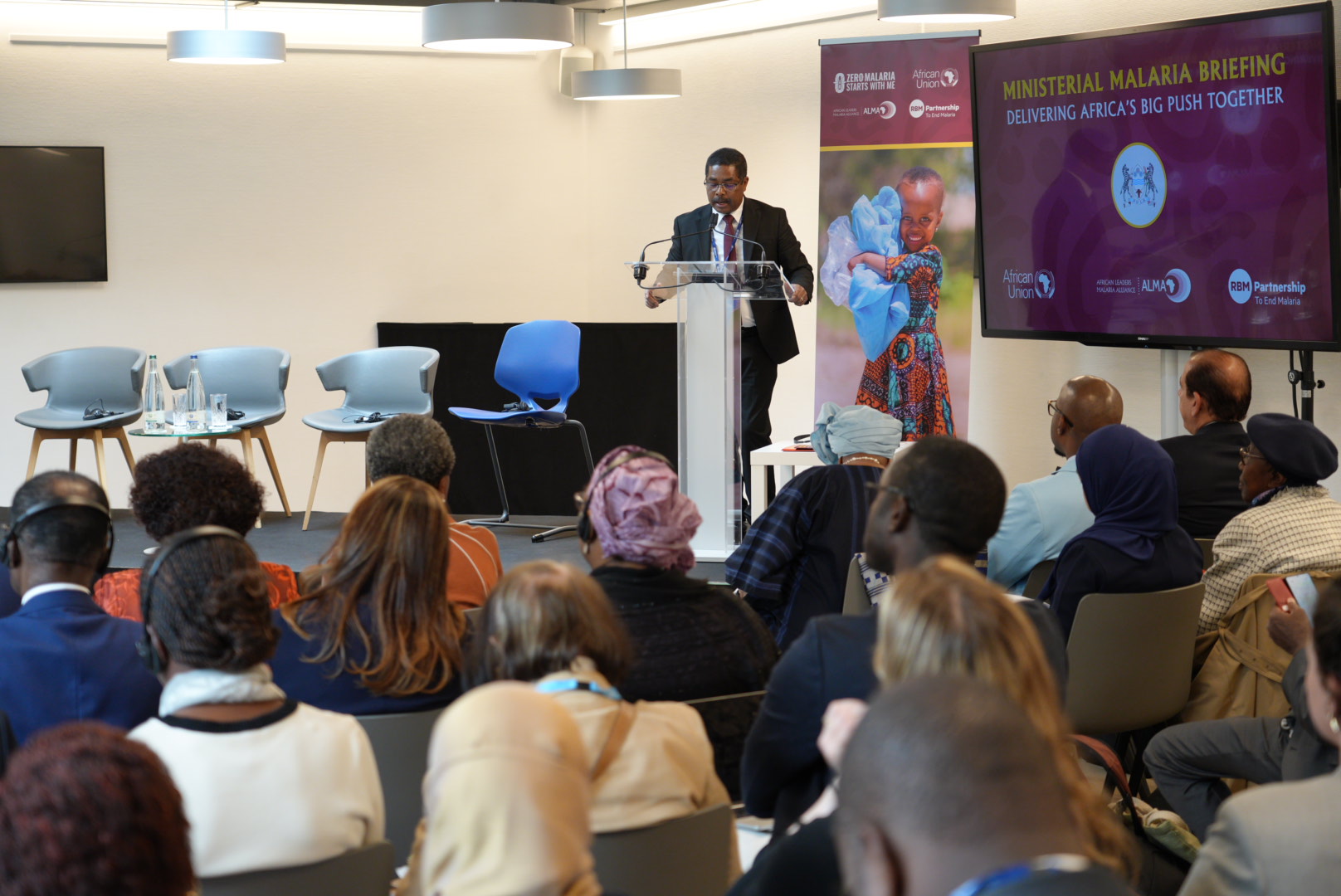
A key moment of the week was the Ministerial Malaria Briefing: Delivering Africa’s Big Push Together,
convened by the African Union Commission (AUC), the African Leaders Malaria Alliance (ALMA) and RBM.
The briefing brought together African leaders and government representatives, including Ministers of Health and senior officials, alongside regional institutions and global health partners, to address the growing pressures facing malaria-endemic countries. Africa continues to carry the overwhelming share of the global malaria burden, while countries are navigating a difficult combination of funding shortfalls, climate-related shocks, and rising drug and insecticide resistance.
The discussion focused on practical steps to accelerate progress, including domestic resource mobilization, local manufacturing, cross-border initiatives, faster access to new tools, and deeper integration of malaria interventions into broader health systems. The RBM CEO moderated the Malaria Champions Panel, helping draw out country experiences and shared priorities for the road ahead.
Speakers emphasized that malaria can no longer be treated as the responsibility of health ministries alone. Hon. Pierre N’Gou Dimba, Minister of Health, Public Hygiene and Universal Health Coverage of Côte d’Ivoire, highlighted the importance of a multisectoral response: “We have broadened our interventions to be multisectoral, through education, sanitation, and the ministries working on the environment, so that the fight against malaria is no longer the responsibility of the Ministry of Health alone.”
Closing reflections from partners underscored the need to act collectively, with Joy Phumaphi, Executive Secretary of ALMA and RBM Board Member, reminding participants: “If you want to walk far, walk together.”
Making the investment case for elimination
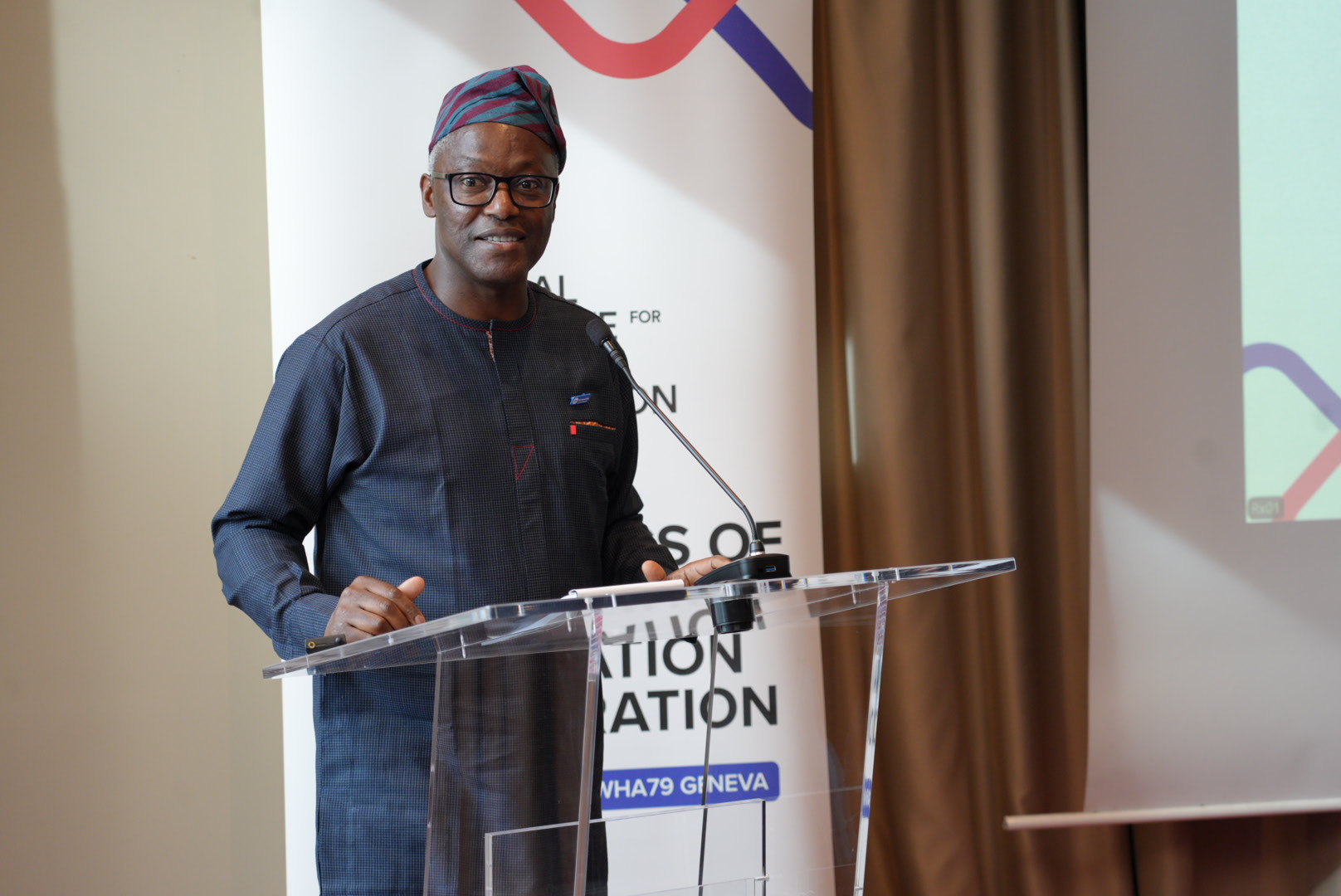
WHA79 also created space to strengthen the economic case for malaria elimination. The RBM CEO participated in the Global Institute for Disease Elimination (GLIDE) working session, Making the Business Case for Disease Elimination, where global health leaders discussed the need to move disease elimination from being seen as a cost centre to being understood as a high-return investment.
This theme carried through many of the RBM team’s conversations in Geneva. In exchanges with Ministers of Finance, Ministers of Health, health economists and health leaders, the economic argument was clear: malaria elimination supports productivity, protects national budgets, strengthens human capital and contributes to long-term resilience.
As the RBM CEO noted during WHA79, “malaria elimination is not just a health target, it is a cornerstone of economic resilience.” In a constrained financing environment, this message is essential. Sustaining malaria progress requires making the case not only to the health sector, but also to finance leaders, development partners and institutions shaping national investment priorities.
Accelerating innovation, access and delivery
Innovation was one of the strongest themes throughout WHA79. Partners examined how new medicines, vaccines, vector control approaches, diagnostics and technologies can help countries move from malaria control to elimination, while staying ahead of biological threats such as antimalarial drug resistance.
At From Malaria Control to Elimination in Africa: Challenges and Options for Impact of Innovative Medicines, co-hosted by ALMA, the African Medicines Agency (AMA), Medicines for Malaria Venture (MMV) and RBM, partners focused on how innovation and local manufacturing can help revitalize progress in Africa and support the shift from malaria control to sustainable elimination.
MMV also published its statements from the 79th World Health Assembly, covering antimalarial drug resistance, Indigenous health, global health system reform, investment in malaria research and development, and health- and gender-related Sustainable Development Goals. These statements reinforced a key message heard throughout the week: scientific progress must be matched by policy alignment, financing and delivery systems.
At the MMV event, Martin Fitchet, CEO of MMV, captured the spirit of partnership: “No single organization can do this alone.”
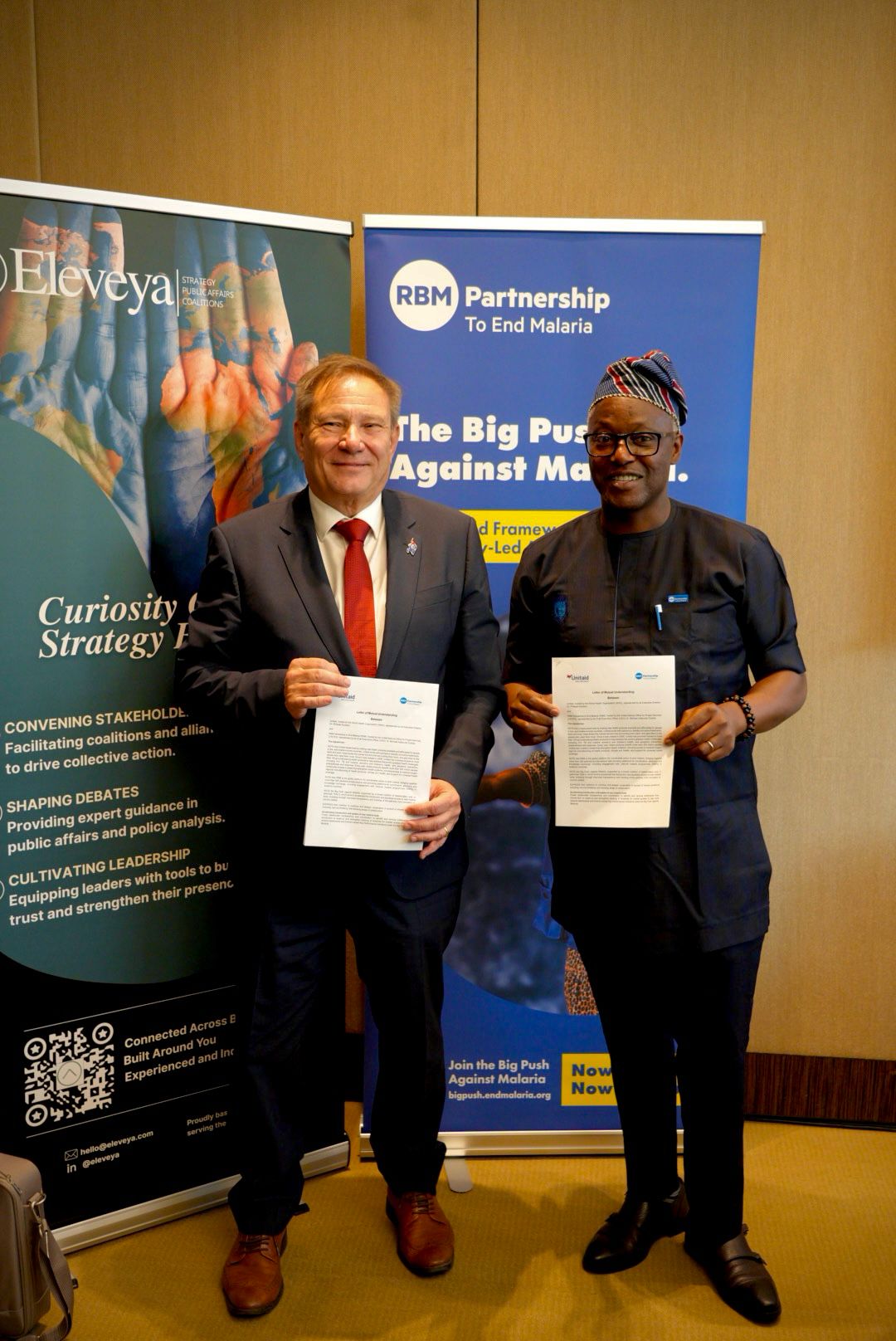
WHA79 also offered an opportunity to deepen collaboration between Unitaid and RBM. During the week, Unitaid and RBM signed a Letter of Mutual Understanding to strengthen collaboration on accelerating the deployment of new tools to protect the hardest-to-reach communities.
The agreement reflects a shared priority for the malaria community: innovation must be connected to uptake. Through this collaboration, Unitaid and RBM aim to help identify and address bottlenecks along the path from product development to country access, improve coordination and transparency across partners, and support healthier markets so that new tools reach people faster.
As Dr. Charles noted, “innovation is only half the victory, the true test is equitable delivery.” This message resonated across WHA79: the next generation of malaria tools must reach the frontlines without delay, especially in the communities most affected by malaria.
Communities at the center
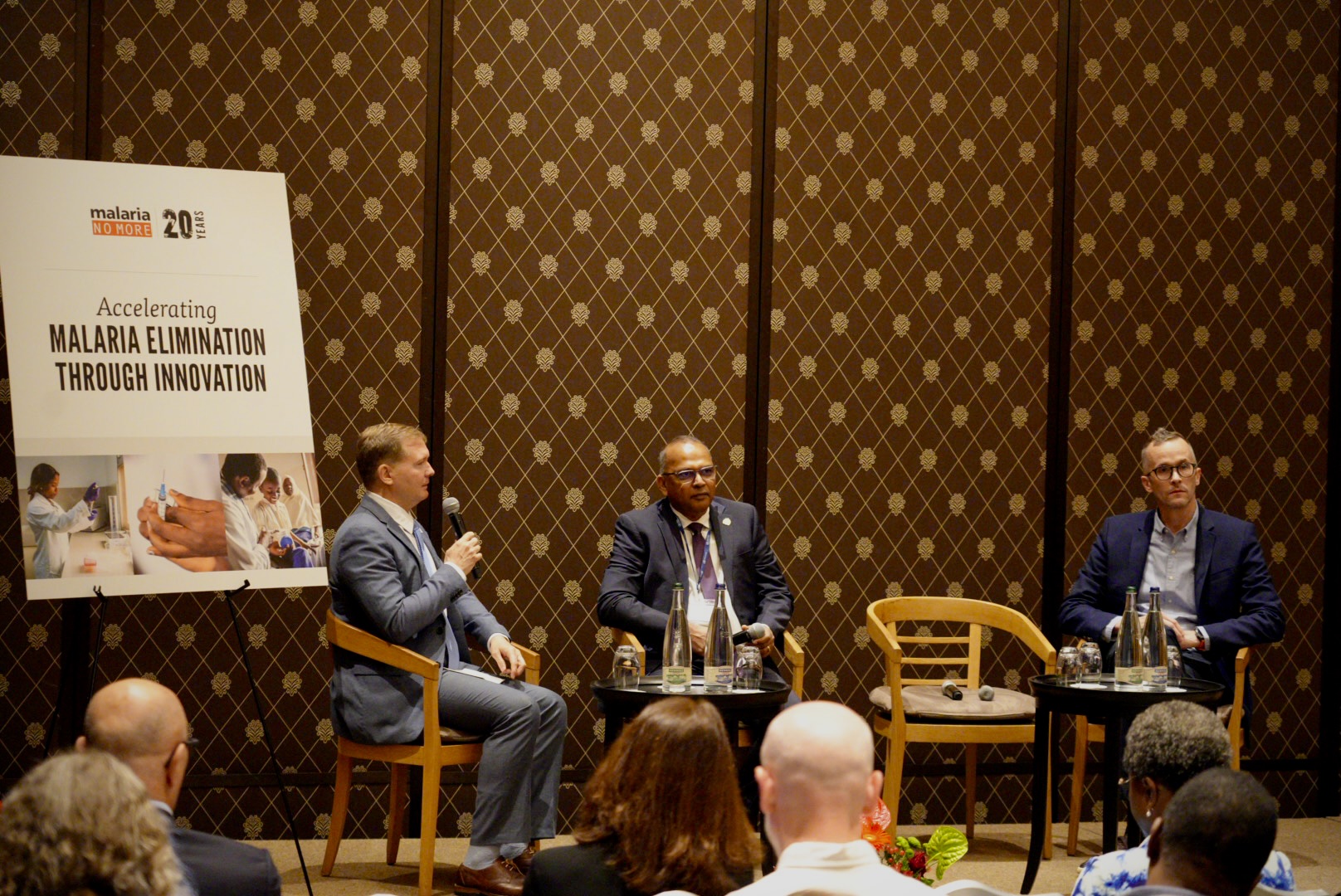
At Accelerating Malaria Elimination Through Innovation, hosted by Malaria No More, RBM joined Ministers of Health, country representatives, innovators and partners to discuss how new tools can help countries accelerate progress toward malaria elimination.
The discussion brought together voices from governments and partners, including H.E. Dr. Frank Anthony, Minister of Health of Guyana; Dr. Linda Esso Endal of Cameroon’s Ministry of Health; Dr. Daniel Ngamije Madandi of the World Health Organization (WHO); Grey Frandsen of Flyttr; Martin Fitchet of MMV; Dr. Nicola Lister of Novartis; and the RBM CEO.
Speakers explored next-generation tools, from mosquito technologies and vector control innovations to novel therapeutics and vaccines, and emphasized the need for faster policy and regulatory pathways, sustainable financing, implementation support, and strong health systems to bring innovation to scale.
Closing the event, Dr. Charles underscored that communities must help shape innovation from the start: “Communities must be at the forefront. We need to see them not as beneficiaries, but co-designers.” This principle is central to Partnership work: malaria programmes are strongest when they are rooted in the realities of the people they serve.
Working across borders and diseases
The week also highlighted the importance of collaboration across borders. Malaria does not stop at national boundaries, and neither can the response.
At Sustaining the Momentum: Cross-border Collaboration to Achieve Malaria and NTD Elimination, RBM joined Ministers of Health, senior officials from endemic countries, partners, advocates and public health experts to advance practical approaches for integrated, cross-border action on malaria and neglected tropical diseases.
The meeting was convened with partners including ALMA, Drugs for Neglected Diseases initiative (DNDi), The END Fund, the Health Campaign Effectiveness Coalition, The Task Force for Global Health, WHO, AUC and RBM.
Discussions focused on how countries and partners can sustain progress despite declining funding, including through stronger surveillance, integrated delivery, coordinated planning and multi-disease approaches that bring malaria and NTD efforts closer together. The meeting also reinforced the importance of cross-border collaboration to protect hard-won gains, prevent resurgence and build more resilient health systems.
The MOSASWA initiative, implemented across Mozambique, Eswatini and South Africa, offered a powerful example of what unified regional action can achieve. Over the past decade, the initiative has combined close surveillance, established vector control tools such as insecticide-treated nets, and newer approaches including drones to destroy mosquito larvae. It reflects the kind of regional leadership, programme engagement and innovation that RBM seeks to support and amplify.
The message was simple: nobody is safe from malaria until everyone, everywhere, is malaria-free.
Mobilizing sustainable financing
Financing was a recurring concern across the week. Partners recognized that recent shortfalls and an uncertain funding landscape are putting lives and progress at risk. At the same time, WHA79 discussions made clear that countries and partners are ready to explore new ways of mobilizing and deploying resources.
At The Untapped Potential: The Role of Private Capital in Ending Infectious Disease, convened by Foreign Policy, the Stop TB Partnership and RBM, global health leaders and financial sector experts explored how innovative financing approaches can support countries most affected by malaria and other infectious diseases.
Across discussions, one point stood out: sustainable financing must be country-led, aligned with national priorities, and designed to strengthen health systems for the long term. Domestic resource mobilization, international solidarity, private capital, and more efficient use of existing resources all have a role to play.
Continuing the work beyond WHA
When RBM and partners gathered in Geneva, the goal was to ensure that the knowledge, leadership and experience of the malaria community were reflected in global health policy. By the close of WHA79, the message was clear: ending malaria will require every part of the partnership.
It will require governments leading with ambition and accountability. It will require communities shaping the tools and services that affect their lives. It will require innovators, manufacturers, regulators and implementers working together so that new solutions reach people faster. It will require funders and financial partners stepping forward to protect progress. And it will require all of us to keep malaria integrated in the broader push for resilient, equitable and country-led health systems.
RBM extends its sincere appreciation to all Board members and partners who convened, contributed, spoke, listened and carried the malaria agenda forward throughout WHA79 — including AUC, ALMA, AMA, MMV, Unitaid, Malaria No More, DNDi, The END Fund, the Health Campaign Effectiveness Coalition, The Task Force for Global Health, Foreign Policy, the Stop TB Partnership, Vestergaard, The Global Fund to Fight AIDS, Tuberculosis and Malaria and the many country leaders, civil society representatives, community voices, innovators and members of the RBM community who helped shape the week.
The work continues beyond Geneva, in ministries, laboratories, health facilities, communities, regional platforms and partner networks across the world.
Together, we can protect progress, close gaps, bring innovation to the frontlines, and end malaria for good.
Now We Can. Now We Must.
Latest Updates
Call for Nominations – SMEWG Co-Chair
Brief update of VCWG-21 annual workshop