RBM Partnership Advances One Health Integration at Lyon Summit
LYON, France, 6-7 April 2026 — The RBM Partnership to End Malaria recently concluded a series of high-level engagements at the One Health Summit in Lyon. The mission focused on positioning malaria as a central component of the global health and climate agenda, marked by both a technical side event and strategic diplomatic participation by RBM leadership.
RBM Side Event: Developing a Country-Centric Path Forward
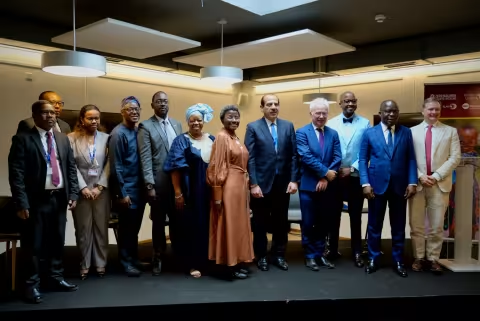
The Partnership hosted a targeted side event, "Malaria as a Pathfinder Issue for a Country-Centric One Health Approach." This session was designed to move beyond theoretical frameworks and identify how malaria programs can practically lead One Health implementation at the national level.
The event convened a diverse and high-level audience, including:
- RBM Leadership and Board representation, including
- The African Union
- RBM Vector Control Working Group (VCWG) leadership
- Partners such as Speak Up Africa and various research institutions+
- Government representatives from the French Ministries of Health, Finance, and Labour
- Local and Country authorities, including the Deputy Mayor of Paris and delegations from Morocco and Senegal
- The private sector, the scientific community, and Friends of the Global Fund
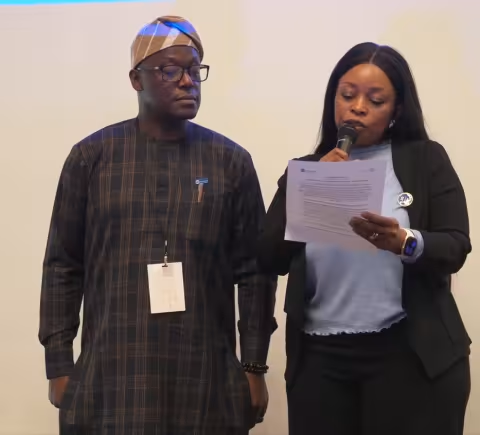
A primary outcome was the adoption of the Lyon Commitment. Led by Dr. Corine Ngufor, this framework establishes malaria as a "pathfinder" for One Health, pledging to leverage existing malaria surveillance and community networks to address broader health and environmental challenges.
Dr. Michael Adekunle Charles: Malaria as a Pathfinder for Global Resilience
In a featured op-ed recently published, RBM CEO Dr. Michael Adekunle Charles expanded on the strategic reasoning behind this approach. He argues that malaria is not just a disease to be eradicated, but a functional ecosystem of action that provides a blueprint for the entire One Health movement.
Key themes from Dr. Charles’s perspective include:
- The "Malaria Umbrella": For decades, malaria programs have built the world’s most robust community health delivery systems and surveillance networks. Dr. Charles emphasizes that these systems already track the intersection of climate, environment, and human health, making them the ideal testing ground for integrated health security.
- Now We Can, Now We Must: The op-ed highlights a shift in urgency. With climate change shifting mosquito habitats and disease patterns, the integration of health and environmental data is no longer a luxury but a necessity for survival.
- From Engagement to Ownership: A core tenet of the vision is moving away from top-down global strategies toward country-centric ownership. This ensures that ministries of health, finance, and labour work in tandem with local communities to manage health risks.
- Addressing Inequity: Dr. Charles notes that a One Health approach allows for a more holistic response to the social determinants of health, including poverty and gender inequity, which are often exacerbated by both malaria and environmental degradation.
Beyond the side event, RBM CEO represented the Partnership in the summit’s high-level plenary sessions and diplomatic engagements. This broader presence served to align the malaria community with global leaders, including French President Emmanuel Macron, on the shared goals of health security and climate resilience.
The CEO’s participation highlighted several strategic priorities for the Partnership:
- Multisectoral Advocacy: Engaging with ministries of Finance and Labour to ensure health investments are seen as central to economic stability.
- Urban Health Leadership: Promoting the role of municipal authorities in managing health risks in rapidly growing cities.
- Global Health Architecture: Ensuring malaria remains a priority within international financing mechanisms, such as the Global Fund.
By combining technical side-event outcomes with high-level advocacy, the RBM Partnership continues to demonstrate how malaria programs provide a blueprint for a more integrated and resilient global health response.
Latest Updates
Call for Nominations – SMEWG Co-Chair