Linking malaria to SDGs in situations of extreme vulnerability
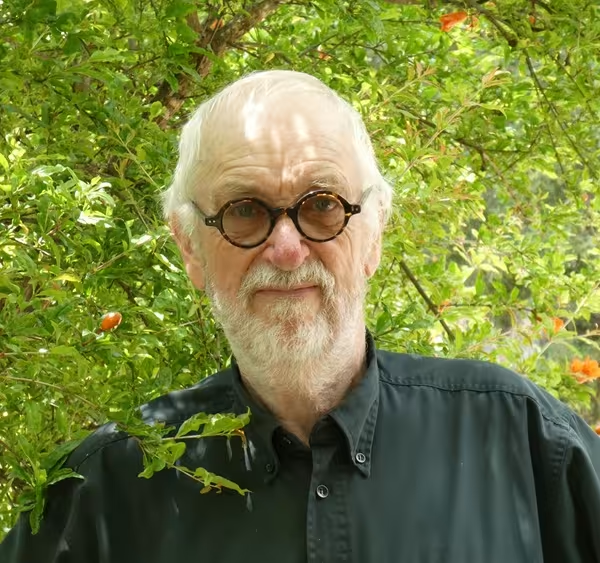
By Erik Blas
“If you don’t have anything, you have nothing.”
This simple yet profound statement from James, a primary school teacher in Kitgum, a district in Uganda, captures the reality faced by many families in the country’s most malaria-affected areas. For James and his students, daily life is shaped by tough choices: when resources are scarce, food and basic needs take priority, often at the expense of malaria prevention and treatment. This struggle is not just about health; it is about survival and highlights why so many communities remain trapped in a cycle of poverty and disease.
James’s experience is at the heart of the Pathfinder Endeavour, which brings together local leaders, sectoral experts, and development partners to rethink how Uganda tackles malaria and sustainable development. The approach is built on the idea that malaria and development are deeply connected: progress in one area can drive improvements in the other. By assessing the links between Sustainable Development Goals (SDGs) and malaria in the hardest-hit districts, Pathfinder Impact and Investment Cases (PIICs) show how targeted, multisectoral action can deliver real, measurable benefits.
At a recent National Sense and Consensus Workshop, convened by the Ministry of Local Government, the Ministry of Health, and the United Nations Development Programme, James’s insights resonated with participants from across Uganda. The workshop validated the findings of PIICs conducted in three districts—Kapelebyong, Kitgum, and Moyo—where communities face some of the toughest challenges. Here, limited choices and prioritizing immediate survival mean frequent drug stock-outs, misuse or non-use of bed nets, delayed or incomplete treatment, and the sharing of medication. These factors contribute to persistently high malaria rates and reinforce the cycle of disadvantage.
The PIICs identified five groups of development challenges that drive this vicious cycle: weak leadership and poor accountability; low economic productivity and limited opportunities; poverty, food insecurity, low education, and gender inequality; adverse climate and inadequate environmental management; and uneven distribution of health facilities and staff, poor data quality, and ineffective supply chains. These interconnected issues make it difficult for communities to break free and improve their health, wellbeing and economic situation.
But there is hope. The PIICs show that a comprehensive, district-led process—supported by modest catalytic funding and full engagement from local stakeholders—can amplify the impact of existing resources. With four rounds of about US$15,000 over three years, districts anticipate economic gains of up to 11%, social gains of nearly 12%, and health gains of over 14%. Crucially, up to half of these gains are expected to come from strengthened accountability at all levels.
Cross sectoral dialogue through games
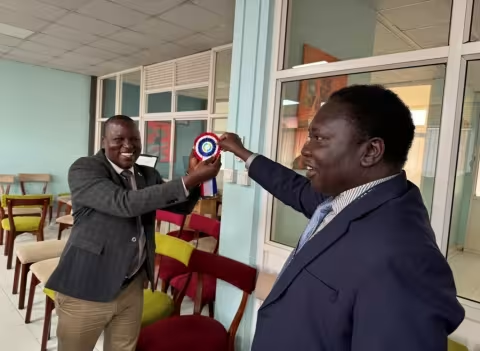
To kickstart change, workshop participants played the “Pathfinder Halt the Vicious Cycle Game,” an activity that blends serious discussion with friendly competition. The game encourages cross-sector dialogue, helping teams identify co-benefits, prioritize critical SDG indicators, and clarify responsibilities. The Kitgum-led team emerged as the winner, demonstrating the power of collaboration and local leadership.
Looking ahead, the leaderships of Kapelebyong, Kitgum, and Moyo districts have declared their readiness to embrace comprehensive multisectoral action. National and international partners—including the Ministry of Local Government, Ministry of Health, WHO, the RBM Multisectoral Working Group, and UNDP—have committed to supporting the roll-out. In the coming months, the Pathfinder Secretariat will finalize a toolbox, complete PIICs in Madagascar and Cameroon, and seek the small but crucial funding needed to catalyze action and help communities get more out of little.
The Pathfinder Endeavour in Uganda promises that with the right approach, even the most challenged districts can break the cycle of malaria and poverty—building a healthier, more hopeful future for all.
Erik Blas heads the Pathfinder Secretariat at UNDP and is a member of the RBM Multi-Sectoral Working Group. The RBM-MSWG seeks to bring together a diverse range of stakeholders from across multiple sectors, including health. Its aim is to align partners’ efforts in implementing new interventions, while revitalizing and strengthening existing ones through more coordinated and innovative approaches.
For more details on the RBM Multi-Sectoral Working Group, contact: konstantina.boutsika@endmalaria.org
Latest Perspectives
The Path to Zero Malaria Must Be Rooted in Africa Country leadership, Science and Communities
Accelerating new malaria tools offers hope for faster elimination