Communities Leading the Endgame: Resilience Built, Last Mile Financed
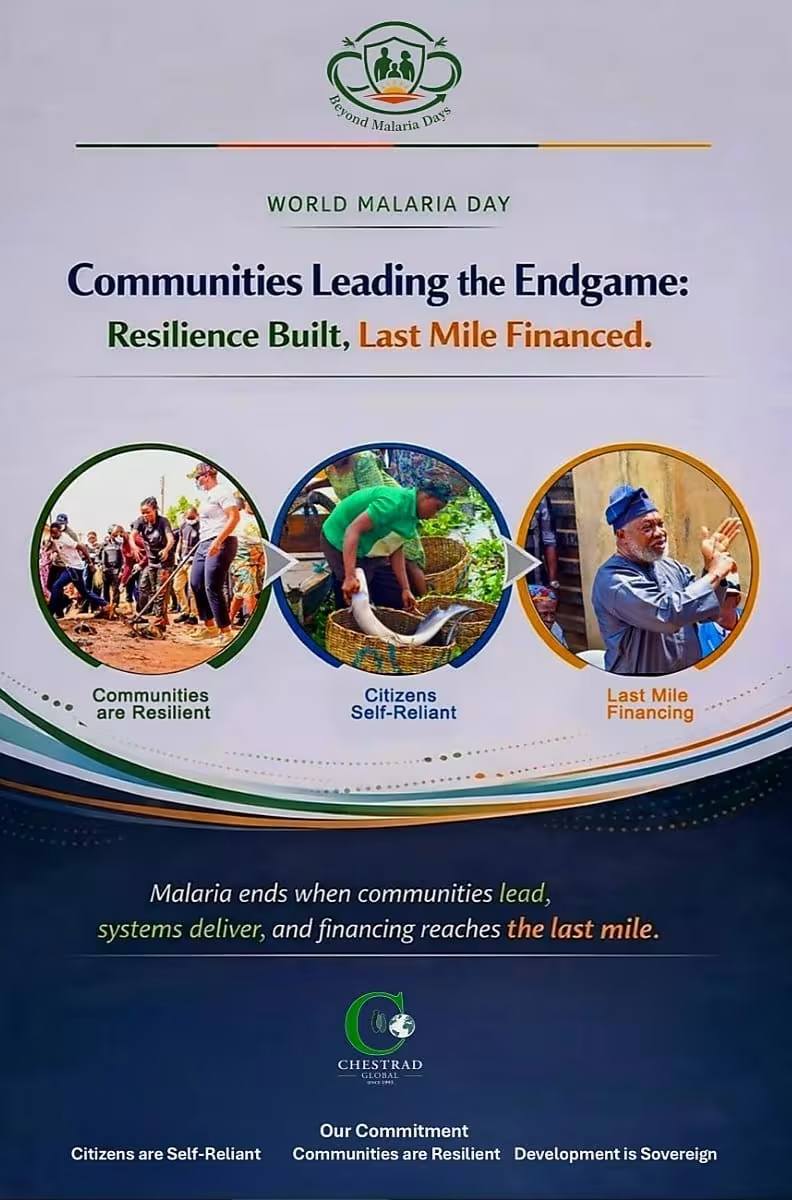
The global malaria community has achieved substantial progress over the past two decades through the scale-up of proven interventions, including insecticide-treated nets (ITNs), rapid diagnostic testing, effective case management, and seasonal malaria chemoprevention (SMC). These efforts have contributed to significant reductions in malaria morbidity and mortality, particularly in sub-Saharan Africa (WHO, 2023). However, progress has plateaued in many high-burden countries. The remaining challenge is no longer primarily about expanding access to tools, but about ensuring consistent, equitable, and sustained delivery at the last mile (WHO, 2023; Global Fund, 2023).
Persistent gaps in coverage and outcomes reflect deeper structural constraints - weak system resilience, limited community ownership, and financing models that do not adequately support delivery at community level (Kruk et al., 2015; OECD, 2021).
This brief argues that accelerating malaria elimination requires a strategic shift toward:
• resilient communities
• community co-created implementation
• financing models aligned with last-mile realities
• Coordination across delivery platforms in health
• Integration towards cross sector impact on productivity and economic growth
Latest Events
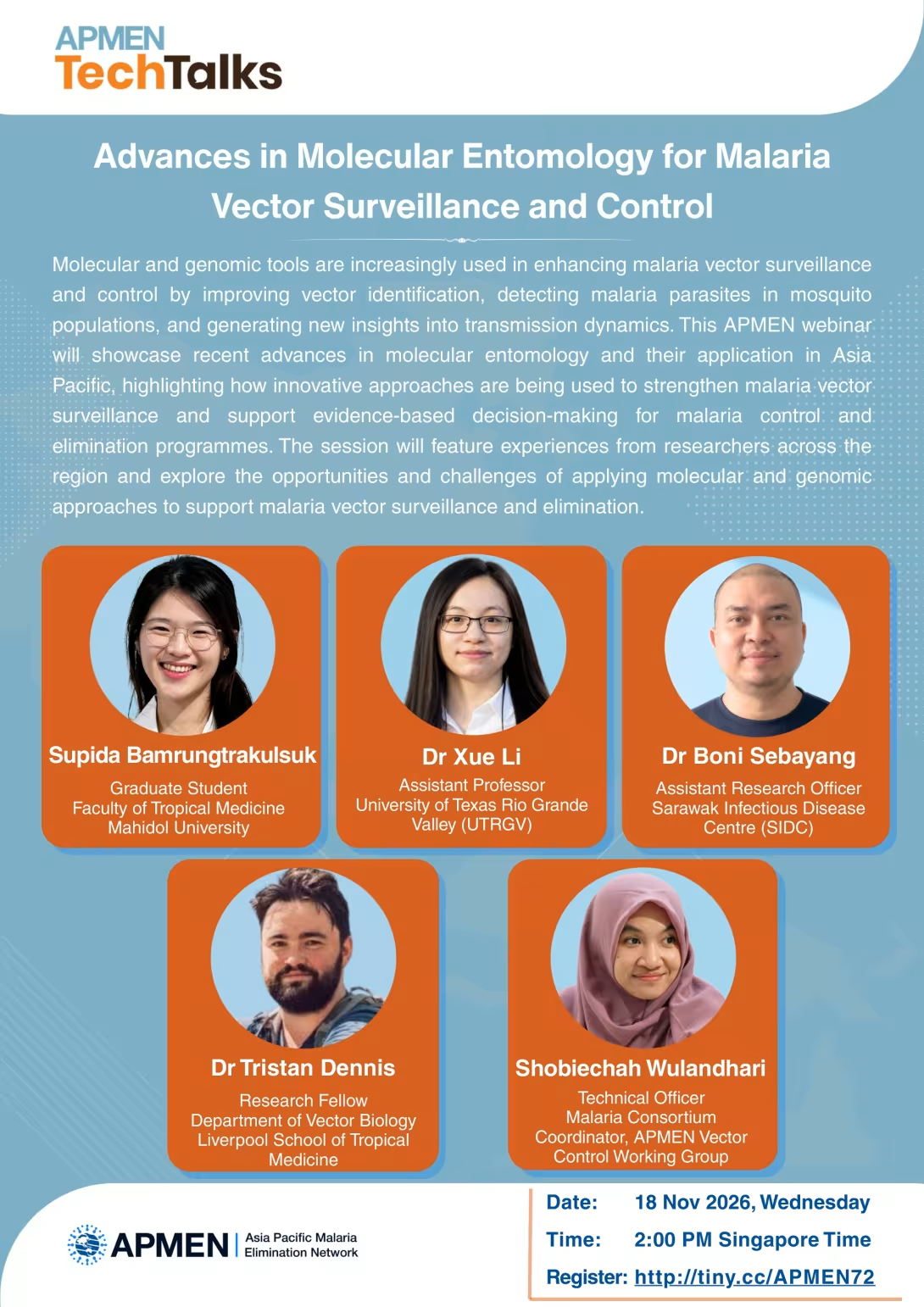
Advances in Molecular Entomology for Malaria Vector Surveillance and Control
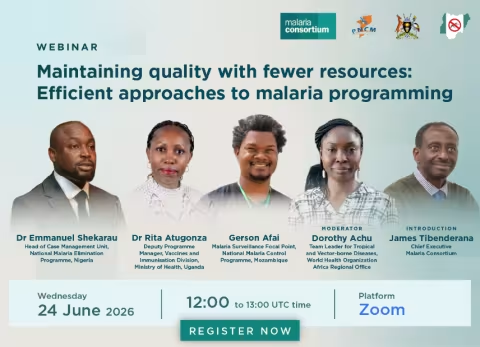
Malaria Routine Data in Action: Sub National Tailoring